The best chess class for a child in McLean, VA depends on a few practical things: the child’s age, current skill level, personality, and schedule, plus whether the family prefers online or in-person instruction.
Parents searching for chess classes for kids in McLean, VA are usually comparing group programs, private coaching, after-school clubs, and online options. They’re trying to figure out which format will actually keep their child engaged and improving.
Structured programs that offer age-appropriate teaching, real coaching feedback, and a clear path from basic rules to tournament play tend to work best. GMChessPrep, a Grandmaster-led chess academy founded by Grandmaster Rashad Babaev, is one option families in McLean and the wider Northern Virginia area can consider, alongside other local clubs and online programs.
This guide breaks down what actually makes a chess class good for kids, how to evaluate the programs available in McLean and Northern Virginia, and what parents should ask before enrolling.
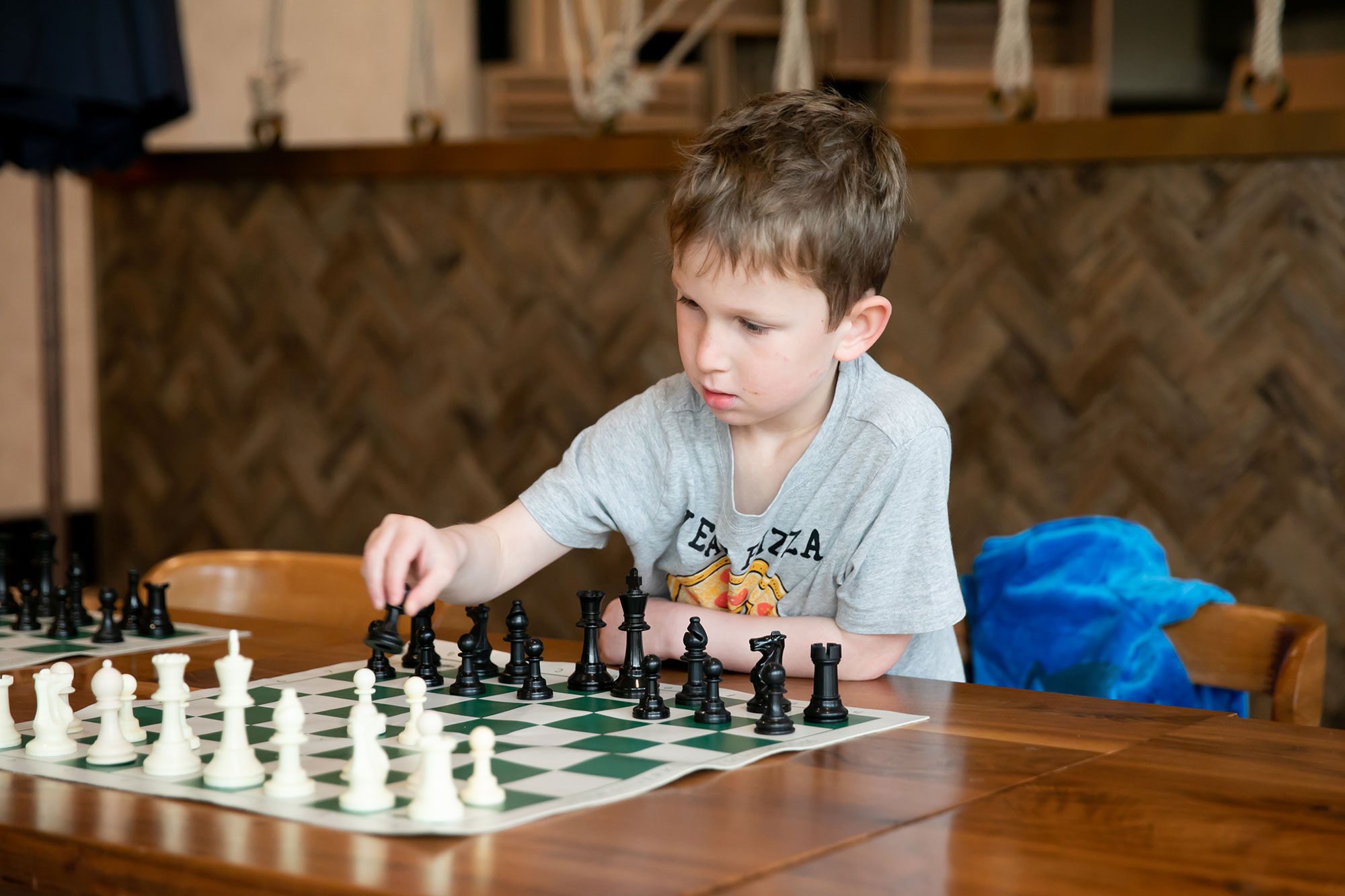
What Makes a Chess Class Good for Kids?
Not every “chess class” is built the same way. Some are casual drop-in clubs where kids mostly just play each other. Others follow a structured curriculum with a coach actively teaching concepts, checking understanding, and correcting mistakes. Both have a place, but they produce very different results.
Here’s what separates a strong chess class from a casual one:
- An experienced coach who understands both chess and how children learn
- A structured curriculum that builds from rules to tactics to strategy in a logical order
- Age-appropriate teaching, since a five-year-old and a ten-year-old need different pacing and language
- A manageable class size, so the coach can actually watch each student play
- Regular, repeated practice, not a single lesson that’s never reinforced
- Tactical and strategic training, not just “here’s how the pieces move”
- Game analysis, where students review their own games and learn from specific mistakes
- A way to track progress over weeks and months
- A positive, encouraging environment where losing a game isn’t treated as a failure
- Chances to play other kids, since chess skill grows through practice against real opponents
- Clear communication with parents about how the child is progressing
Simply letting kids play games against each other is fun, and it has value, but it’s different from structured instruction. A child can play hundreds of casual games and still repeat the same mistakes if nobody is teaching them why those mistakes happen. A good class combines both: guided instruction plus plenty of practical play.
Chess Classes for Kids in McLean, VA
Parents searching for chess classes near McLean are usually weighing a few practical factors before anything else: how far they’ll need to drive, what days and times work with school and other activities, and whether their child will do better learning at a physical location or from home on a screen.
A few things worth thinking through:
- Location and travel time. A class fifteen minutes away is easier to stick with long-term than one across the county, especially on a school night.
- Schedule fit. Weekly consistency matters more than picking the “best” class on paper if the timing doesn’t actually work for your family.
- Online availability. For busy families, or kids without a nearby option that matches their level, online classes remove the commute entirely.
- In-person options. Some children focus better sitting across a real board from a coach and other kids.
- Age groups and skill levels offered. A program that only runs one mixed-level class isn’t ideal if your child is either far ahead or just starting out.
- Group size. Smaller groups generally mean more individual feedback per student.
- Coach qualifications. Chess ability and teaching ability with children are two different skills, and both matter.
- Tournament opportunities, if your child eventually wants to compete.
GMChessPrep serves students throughout Northern Virginia, including McLean, Fairfax County, and the broader DMV area, with both online and in-person learning formats, so families can choose based on what fits their child and schedule rather than being limited to one format.
What Age Should a Child Start Chess Classes?
There’s no single “correct” age to start chess, and any program that promises one is oversimplifying. What matters more is readiness: can the child sit and focus for the length of a lesson, follow multi-step instructions, and show genuine curiosity about the game?
Many children begin picking up basic chess concepts, like how each piece moves, around age five or six, when attention span and fine motor skills for handling pieces start to develop. At this stage, lessons usually stay simple and playful: piece movement, capturing, check, and checkmate, often reinforced with games and puzzles rather than long explanations.
As children get a bit older, usually somewhere in the range of seven to ten, they can typically handle more structured strategy training: opening principles, basic tactics, and simple endgames. Older beginners and kids who start in their pre-teen or teen years can often move through the fundamentals faster because their reasoning and planning skills are more developed, even if they’re brand new to the game.
The right approach is to match the class to the child in front of you, not to a specific birthday. A good coach adjusts pacing based on how quickly a student is absorbing concepts, not a fixed age bracket.
Beginner Chess Classes for Kids
A solid beginner class should build understanding step by step, rather than rushing a child into memorizing opening lines they don’t yet understand. The typical foundation includes:
- Board setup and orientation
- How each piece moves and captures
- Check and checkmate
- Castling
- Basic opening principles (control the center, develop pieces, keep the king safe)
- Piece development
- King safety
- Simple tactics like forks and pins
- Basic endgames, such as king and pawn positions
The goal at this stage isn’t to make a child memorize sequences of moves. It’s to help them understand why certain moves are good, so they can apply that reasoning in games they haven’t seen before. A beginner who understands why controlling the center matters will out-improve a beginner who has just memorized five opening moves without knowing what they’re for.
Group Chess Classes vs Private Chess Lessons
Both formats work, and the “better” one really depends on the child.
Group Lessons
- Social learning alongside other kids
- Playing against classmates of similar level
- Shared discussion and analysis of positions
- Usually more affordable than private coaching
- Builds confidence through friendly competition
- Exposure to different playing styles and mistakes, not just your own
Private Lessons
- One-on-one attention for the full session
- Training built around the specific child’s strengths and weaknesses
- Direct analysis of that student’s own games
- Faster correction of recurring mistakes
- Flexible scheduling
- Often preferred by students actively preparing for tournaments
Neither format is automatically better. A social, competitive kid might thrive in a group setting where they enjoy playing peers. A child who wants faster, individualized progress, or who is preparing for a specific tournament, may benefit more from private coaching. Some families use a mix of both.
GMChessPrep offers online group lessons, online private lessons, and in-person group lessons, so families can choose the format that fits their child rather than being locked into one option.
Online vs In-Person Chess Classes for Kids
This is one of the most common questions parents ask, and the honest answer is that both formats can work well, as long as the instruction is genuinely interactive rather than passive.
Online classes offer real convenience: no driving, easier scheduling, and access to a coach regardless of where the family lives in Northern Virginia. Online lessons are effective when they include live instruction from a real coach, back-and-forth interaction, game analysis, and structured practice rather than just a recorded video the child watches alone.
In-person classes offer face-to-face interaction, the physical experience of handling real pieces, and a classroom-style environment some kids focus better in. For younger children especially, sitting across a real board from a coach can help hold attention in a way a screen sometimes doesn’t.
What matters most isn’t the format itself, but whether the class includes genuine coach feedback and structured learning. GMChessPrep’s online programs include live group instruction, quizzes, online tournaments, chess platform access, and recorded class materials depending on the program, so students still get real interaction and accountability, not a passive video course.
What Should Kids Learn in a Structured Chess Program?
A well-built curriculum covers four major areas, gradually layered on top of each other:
Tactics Forks, pins, skewers, discovered attacks, and checkmate patterns. These are the short-term calculations that decide most games at the beginner and intermediate level.
Strategy Piece activity, pawn structure, long-term planning, king safety, and improving the position of your weakest piece. Strategy is what separates players who just react to threats from players who create their own.
Endgames King and pawn endings, basic rook endgames, and converting a winning position into an actual win. Many games are lost not because of a bad opening, but because a player didn’t know how to finish a winning endgame.
Game Analysis Reviewing your own games, understanding what went wrong, and identifying better alternatives. This is arguably the fastest way to improve, since it’s specific to a student’s actual mistakes rather than generic advice.
For kids interested in competing, a fifth area matters too: tournament skills, including time management, staying calm under pressure, and making practical decisions rather than searching endlessly for a “perfect” move that doesn’t exist.
GMChessPrep’s programs are built around this same layered approach: tactical training, strategic understanding, practical play, game analysis, and tournament preparation, adjusted to each student’s level.
Chess Classes for Kids Who Want to Play Tournaments
Casual chess and tournament chess require different skills. A child can play casually for years and still struggle in their first rated tournament if they haven’t practiced the specific demands of competitive play, including:
- US Chess Federation (USCF)
- Managing a clock and time controls
- Understanding tournament rules and etiquette
- Basic opening preparation, so the first few moves aren’t a guessing game
- Reviewing games afterward to learn from losses, not just celebrate wins
- Staying composed after a bad move instead of tilting into more mistakes
- Practical decision-making instead of overthinking every position
- Solid endgame technique, since tournament games are often decided in the final phase
GMChessPrep offers tournament opportunities and dedicated preparation for students who want to move into competitive, USCF-rated play, building on the same foundation covered in regular lessons.
After-School Chess Classes in McLean and Northern Virginia
After-school chess programs give kids a way to keep practicing consistently without adding a separate trip to the family’s schedule. Beyond the game itself, these programs tend to offer:
- Consistent weekly practice built into the school routine
- Learning alongside classmates and friends
- A built-in chess community at school
- Opportunities to develop focus and patience through repeated play
- A path into local and regional tournaments
- A way to keep improving outside of regular class hours
GMChessPrep’s after-school program includes weekly training, tournaments, camps, and optional curriculum instruction, giving students in Northern Virginia a structured option that fits directly into their school week.
How Much Do Chess Classes for Kids Cost?
Pricing for kids’ chess classes varies quite a bit depending on several factors:
- Group format versus private, one-on-one coaching
- Number of classes per week or per month
- Length of each class
- Coach experience and credentials
- Online versus in-person delivery
- The student’s current level and program depth
- Whether tournament access or platform tools are included
Because pricing changes over time and differs by program, the most reliable way to get accurate, current numbers for any academy, including GMChessPrep, is to check directly with the program rather than relying on older articles or third-party listings.
Are Free Chess Classes for Kids Available?
The word “free” gets used loosely in chess searches, so it’s worth separating what that actually means:
- Free online chess games: Playing against a computer or other users, with no instruction involved
- Free chess resources: Articles, videos, and puzzles that teach concepts on your own time
- Free beginner materials: Basic guides covering rules and simple strategy
- Free trial classes: A single live, coached session offered by an academy before a family commits
- Paid structured coaching: Ongoing, curriculum-based instruction with a real coach
Free resources and free games are genuinely useful for exposure and practice, but they aren’t a substitute for structured coaching if a child wants to seriously improve. A free trial class is different: it’s a way to experience real coaching before enrolling in a paid program. GMChessPrep currently offers a free online trial class for eligible new students who haven’t previously enrolled in its programs, which gives families a low-pressure way to see how a structured lesson actually runs before committing.
How to Choose the Best Chess Classes for Your Child
There’s no single “best” program in the abstract. There’s a best fit for your specific child. Use this as a practical checklist when comparing options:
- Does the coach have real chess experience and experience teaching children specifically?
- Is there a structured curriculum, or is it mostly open play?
- What age ranges and skill levels does the program actually serve?
- Are both group and private options available if your child’s needs change?
- Does the format (online or in-person) match how your child learns best?
- How large are the classes, and how much individual attention will your child get?
- Are there tournament opportunities if your child wants to compete later?
- Is game analysis part of the process, or just instruction with no feedback loop?
- Is there a trial class available before you commit?
- How does the program communicate progress to parents?
Choosing based on your child’s actual goals and personality, rather than simply picking the closest option or the cheapest one, tends to lead to a much better long-term experience.
Why Learn Chess From a Grandmaster?
A coach who has competed at the Grandmaster level brings a depth of understanding that’s hard to replicate: a stronger grasp of strategy, real tournament experience, sharper game analysis, and exposure to advanced ideas that a less experienced instructor may not fully understand themselves.
That said, a title alone doesn’t automatically make a program the right fit for a child. Teaching ability, patience with young students, and a genuine, structured curriculum matter just as much as the coach’s playing strength. The best outcomes tend to come from coaches who combine strong chess credentials with real experience teaching kids specifically.
GMChessPrep was founded by Grandmaster Rashad Babaev in January 2013 and offers programs for students ranging from complete beginners through advanced, tournament-focused players, combining his competitive chess background with a curriculum built specifically for young learners.
Why Parents May Consider GMChessPrep in McLean, VA
GMChessPrep Academy has been operating since January 2013, offering structured chess instruction across a range of formats:
- Online group lessons
- Online private lessons
- In-person group lessons
- After-school programs
- Tournament preparation and online tournament opportunities
- Structured, level-based training
- Access to chess platform tools and game analysis
- Summer camps and additional training opportunities
The academy’s programs are designed to serve students at different ages and skill levels, from kids who’ve never touched a chess piece to those preparing for USCF-rated competition. GMChessPrep describes its broader mission as developing both chess skills and the thinking skills that come with them, focus, planning, and patience, through instruction tailored to where each student is starting from.
Families in McLean and across Northern Virginia can look into GMChessPrep as one option among several, and compare it against other local and online programs using the same criteria outlined above: coach experience, curriculum, format, and fit for their specific child.
What to Look for in Chess Classes for Kids
| Factor | What Parents Should Look For |
| Coach Experience | Strong chess knowledge and real experience teaching children |
| Curriculum | Structured lessons covering tactics, strategy, and endgames |
| Age Range | Instruction appropriate for the child’s age |
| Skill Level | Classes matched to the student’s actual ability |
| Class Format | Group, private, online, or in-person options |
| Game Analysis | Regular review of the student’s own games |
| Tournament Training | Preparation for rated competition when needed |
| Class Size | Enough interaction without losing individual attention |
| Schedule | Convenient and consistent class times |
| Progress | Clear ways to monitor improvement over time |
Group vs Private vs Online vs In-Person Chess Lessons
| Factor | Group | Private | Online | In-Person |
| Individual Attention | Moderate | High | Varies | Varies |
| Social Interaction | High | Lower | Moderate | High |
| Personalization | Moderate | High | Varies | Varies |
| Convenience | High | High | Very High | Depends on location |
| Tournament Training | Yes | Yes | Yes | Yes |
| Best For | Social learners | Focused improvement | Flexible schedules | Face-to-face learners |
The best option really does depend on the individual child, their personality, goals, and schedule, more than any general ranking of formats.
Checklist: Is Your Child Ready for Chess Classes?
- Shows genuine interest in chess or games in general
- Can follow basic multi-step instructions
- Enjoys puzzles or problem-solving activities
- Can focus for an age-appropriate stretch of time
- Wants to learn beyond just casual play
- Enjoys figuring things out rather than being told the answer
- Wants to play against other children
- Shows curiosity about tournaments or competition
- Genuinely wants to get better, not just pass the time
Checklist: What to Ask Before Choosing a Chess Academy
- Who actually teaches the classes?
- What chess experience does the coach have?
- Is there a structured curriculum, or mostly open play?
- What age ranges are accepted?
- What skill levels are offered?
- Are both group and private options available?
- Are classes online, in-person, or both?
- How large are the classes?
- Are tournament opportunities available?
- Is game analysis included as part of instruction?
- Is a trial class available before enrolling?
- How is student progress measured and communicated?
Looking for Chess Classes for Kids in McLean, VA?
A few quick things to sort out before choosing a program:
- Consider your child’s age and current skill level honestly.
- Decide whether group or private coaching fits your child’s personality better.
- Compare online and in-person options based on how your child focuses best.
- Ask directly about the curriculum and any tournament preparation offered.
- Look for a coach with real experience working with kids, not just chess experience.
- Consider starting with a trial class before committing to a longer program.
Parents in McLean and Northern Virginia interested in a Grandmaster-led, structured program can learn more about GMChessPrep’s lesson options or claim a free online trial class if their child is a new student.
Frequently Asked Questions
What are the best chess classes for kids in McLean, VA?
The best classes are the ones that match your child’s age, skill level, and learning style, whether that’s group or private, online or in-person. Look for a structured curriculum, an experienced coach who works well with kids, and a clear path from basic rules to more advanced strategy. GMChessPrep, based in McLean, offers online and in-person options across skill levels, and it’s worth comparing it against other local programs using the same criteria.
At what age should my child start chess lessons?
Many kids start picking up basic concepts around age five or six, but readiness matters more than a specific age. If your child can focus for a lesson, follow instructions, and shows curiosity about the game, they’re likely ready to start, whether that’s at five or at ten.
Are chess classes good for beginners?
Yes. A good beginner class focuses on understanding the rules, basic tactics, and simple strategy, not memorizing complicated openings. The goal early on is building genuine understanding so a child can apply what they’ve learned in games they’ve never seen before.
How much do chess classes for kids cost?
Cost depends on the format (group versus private), class frequency, length, coach experience, and whether the program is online or in-person. Because pricing varies and changes over time, it’s best to check directly with a specific academy for current rates rather than relying on outdated information.
Are there free chess classes for kids in McLean?
There are free resources like puzzles, videos, and casual online games that kids can use to practice on their own. Some academies, including GMChessPrep, also offer a free trial class for new students, which is a good way to experience real coaching before enrolling in a paid program.
Are online chess lessons effective for children?
Yes, as long as the class includes live instruction, real interaction with a coach, and structured practice rather than a passive recorded video. Online classes also remove travel time, which can make consistent weekly practice easier for busy families.
Should my child take group or private chess lessons?
It depends on your child. Group lessons work well for kids who enjoy social learning and playing peers. Private lessons work well for kids who want faster, individualized progress or are preparing specifically for tournaments. Some families use a mix of both.
Can chess classes prepare my child for USCF tournaments?
Yes, structured programs that include tournament preparation can teach time management, tournament rules, opening basics, and the composure needed for competitive play. This is different from casual chess and usually requires classes that specifically build toward tournament readiness.
What should I look for in a chess coach for my child?
Look for real chess experience combined with genuine experience teaching children. A strong coach can explain concepts clearly, adjust pacing to the student, and provide specific feedback through game analysis, not just supervise open play.
How can I find chess classes near me in McLean, VA?
Search for local academies and clubs serving McLean and Fairfax County, and compare them on coach experience, curriculum, class format, and schedule fit. Both online and in-person options exist for families in Northern Virginia, so it’s worth weighing convenience against your child’s preferred learning style before choosing.
Final Thoughts
Choosing the right chess class for your child comes down to more than finding the closest option or the cheapest one. Age and current skill level shape how a class should be paced. Personality shapes whether group or private lessons will hold your child’s attention better. And whether your family leans toward online convenience or in-person, face-to-face learning shapes which format will actually get used consistently, week after week.
What matters most across all of these choices is structured training and experienced coaching, whether a child is just learning how the pieces move or getting ready for their first USCF-rated tournament. Families in McLean and across Northern Virginia have several programs to consider, and taking the time to compare them on curriculum, coach experience, and format will lead to a much better fit than picking based on convenience alone. Parents ready to explore a Grandmaster-led option can learn more about GMChessPrep’s programs or claim a free trial class for an eligible new student.