
Claim Your Free Online Trial Class
Free trial classes are available for new students only who have not previously enrolled in GMChessPrep programs.
Chess Mastery Levels & Advancement Path
At GM Chess Prep, students progress through structured training designed to develop their skills step by step. Our carefully designed program ensures that every student receives the right level of instruction, helping them grow from beginners to advanced competitors.
- Monthly Plan Price: $199/month
- For: Ages 5-15 (USCF 0-1400)
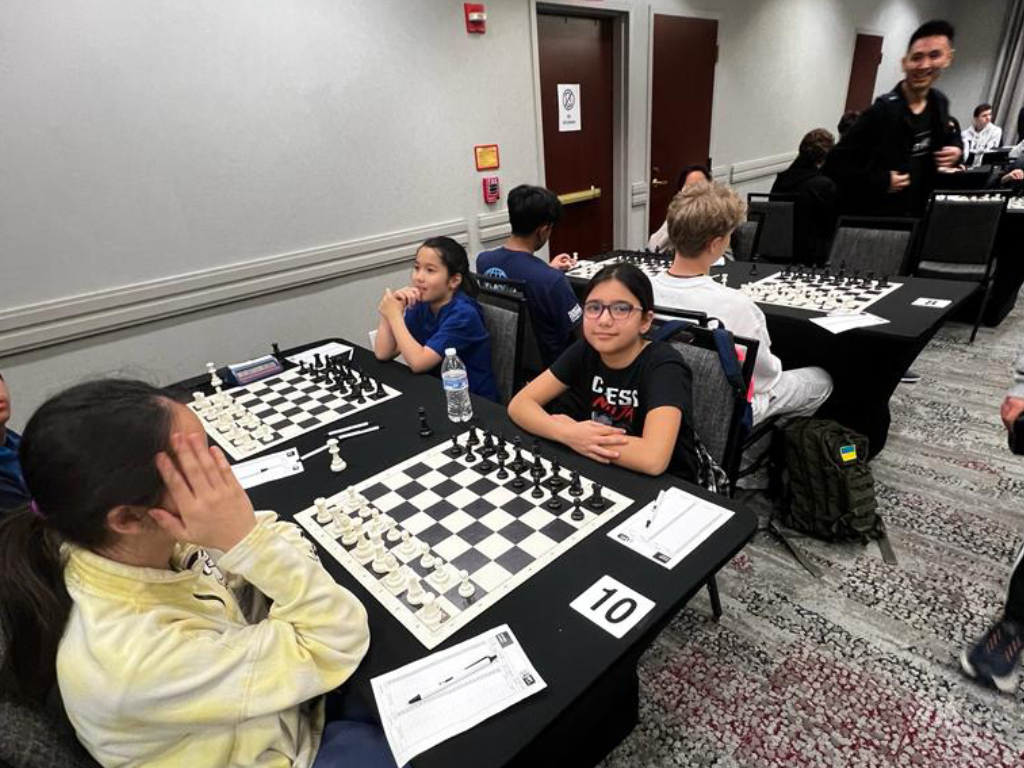
Foundations– For Absolute Beginners
Tuesdays 6-7 PM EST
Includes:
✅ Weekly Small-Group Lesson (55 min)
✅ Bi-Weekly USCF Quick Rated Online Tournaments
✅ Weekly Chess Quizzes
✅ Free Online Chess Platform Account
✅ Access to GMChessPrep Library & Courses
- Perfect for kids who are just starting out and learning the basics of chess.
- Covers piece movements, check, checkmate, and the fundamental rules of the game.

Explorers– Learning the First Strategies.
Wednesdays 7-8 PM EST
Includes:
✅ Weekly Small-Group Lesson (55 min)
✅ Bi-Weekly USCF Quick Rated Online Tournaments
✅ Weekly Chess Quizzes
✅ Free Online Chess Platform Account
✅ Access to GMChessPrep Library & Courses
- Designed for kids who know how the pieces move but need guidance on basic strategy.
- Introduces early tactical ideas, piece coordination, and how to develop effectively.
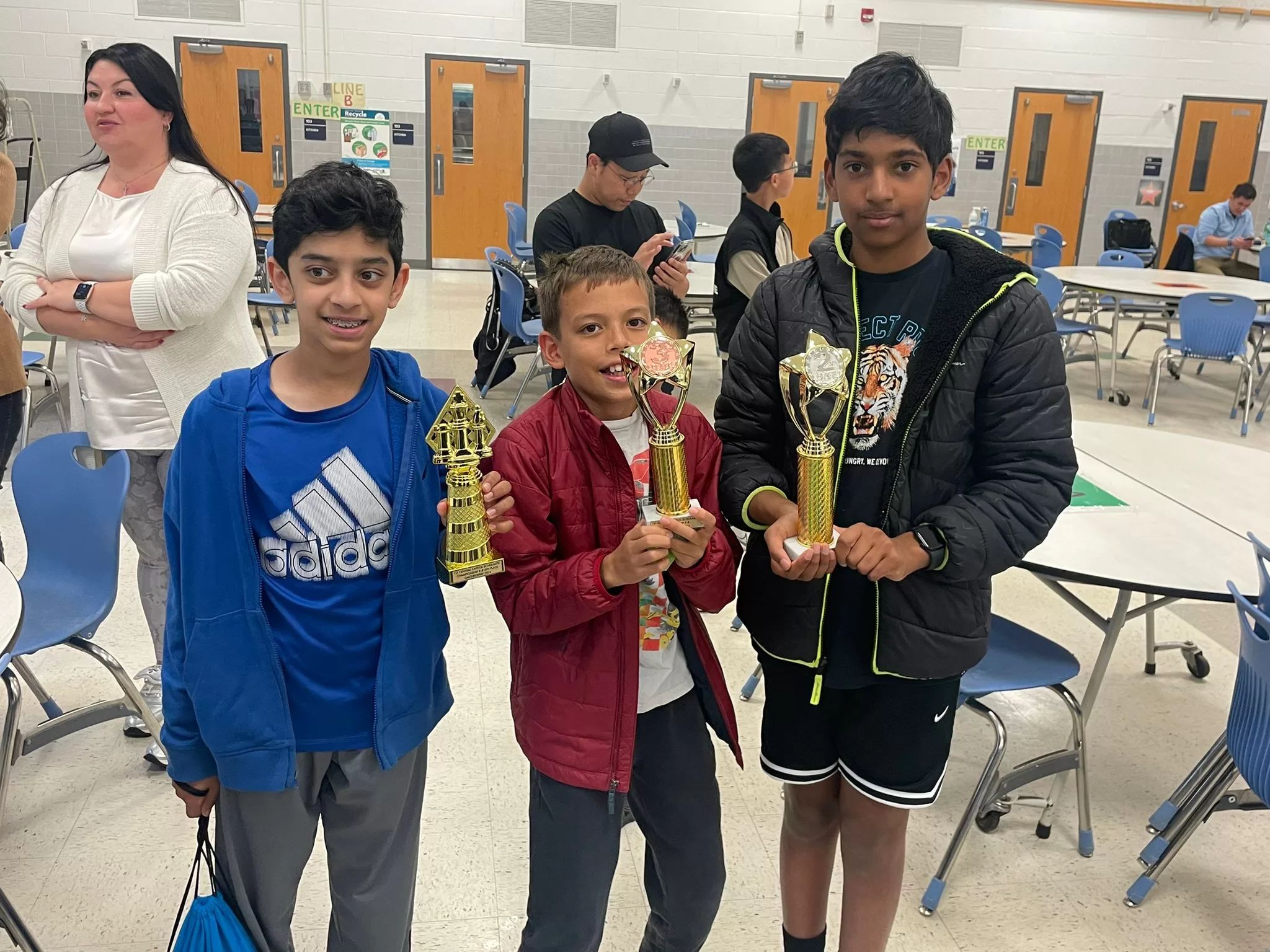
Challengers– Tactics and Openings.
Thursdays 7-8 PM EST
Includes:
✅ Weekly Small-Group Lesson (55 min)
✅ Bi-Weekly USCF Quick Rated Online Tournaments
✅ Weekly Chess Quizzes
✅ Free Online Chess Platform Account
✅ Access to GMChessPrep Library & Courses
- Players should be able to checkmate with a king and queen vs. a lone king.
- Covers opening principles, fundamental tactics like pins, forks, and discovered attacks.
- ChessKid rating should be 1000+.
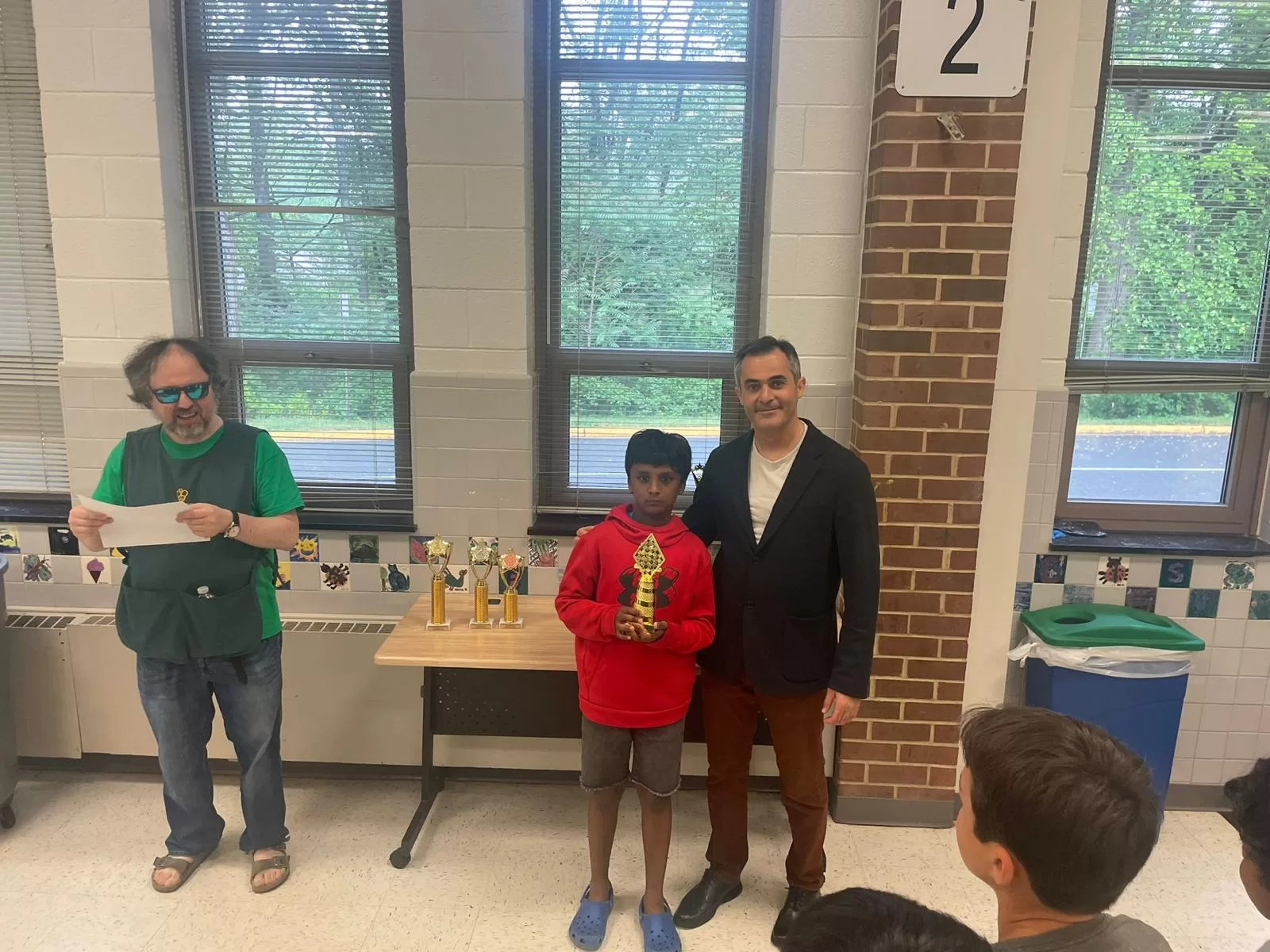
Strategists– Advanced Tournament Prep
Fridays 7-8 PM EST
Includes:
✅ Weekly Small-Group Lesson (55 min)
✅ Bi-Weekly USCF Quick Rated Online Tournaments
✅ Weekly Chess Quizzes
✅ Free Online Chess Platform Account
✅ Access to GMChessPrep Library & Courses
- Players should have a ChessKid rating between 1300 and 1550.
- Focus on deeper positional play, advanced tactics, and midgame/endgame strategy.
Monday Online Group Classes – Fall 2026
Elite Academy – Advanced Tournament Group
Target Level: U-2050 (Advanced/Elite)
- Dates: September 14 – December 21, 2026 (15 Classes)
- Schedule: Mondays | 6:00 PM – 7:00 PM EST
- Format: Online Interactive Training
- Instructor: GMChessPrep Team, led by GM Rashad Babaev
- Tuition: $855 / Fall Session
- Trial Class: $35
Course Overview
An advanced fall training program created for ambitious tournament players who want to continue improving and compete at a higher level with greater confidence and consistency.
This structured online academy focuses on practical tournament improvement, deeper strategic understanding, advanced calculation methods, and modern competitive preparation.
Fall 2026 Topics Include
Advanced Prophylactic Thinking
Learning to anticipate and prevent the opponent's plans.
Exploiting Positional Weaknesses
Converting long-term weaknesses into lasting advantages.
Dynamic Exchange Decisions
Knowing when to exchange pieces and when to maintain tension.
Mastering Initiative & Momentum
Keeping the initiative and converting active play into concrete results.
Calculation in Critical Positions
Identifying key moments and calculating with maximum accuracy.
Positional Sacrifices
Understanding exchange, pawn, and piece sacrifices for long-term compensation.
Advanced King Safety
Recognizing attacking resources and defending against dangerous threats.
Complex Middlegame Decision-Making
Choosing the best practical plan in strategically rich positions.
Advanced Rook Play
Mastering open files, seventh-rank activity, and rook endgame principles.
Transitioning Between Game Phases
Improving the shift from opening to middlegame and middlegame to endgame.
Practical Time Management
Making stronger decisions under tournament time pressure.
Converting Equal Positions
Learning how strong players gradually outplay equal opponents.
Grandmaster Game Laboratory
Deep analysis of instructive classical and modern grandmaster games.
Tournament Game Analysis Workshop
Analyzing students' tournament games to identify recurring mistakes and improvement plans.
Championship Training Challenge
Applying strategic, tactical, and practical skills through advanced competitive exercises.
Flexibility Plan
- All sessions are recorded
- Class materials and assignments will be available through our online platform anytime
Value Addition
Spotlight Game of the Week: One student’s game will be selected and analyzed each week during class
Loyalty & Referral Program
- $100 Referral Bonus: Invite a new student and receive $100 once their enrollment is completed
- 10% Loyalty Discount: For current students who register by September 1.
- 20% New Student Offer: First-time students can request a special discount code via email- By September 1, 2026
Special Features
- Full Course Materials Provided: Weekly resources + Completion Certificate
- Online Platform Access: Dedicated student portal for lessons, assignments, and interaction
Ready to Join?
Enrollment is limited to 12 students to ensure personalized attention and high-quality instruction.
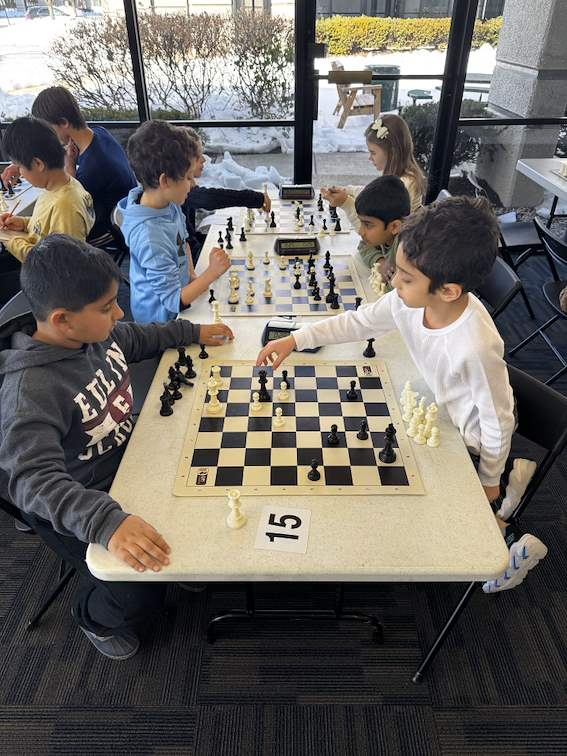
Monday Online Group Classes – Summer 2026
Elite Academy – Advanced Tournament Group
- Dates: July 6 – September 7, 2026 (10 Classes)
- Schedule: Mondays | 6:00 PM – 7:00 PM EST
- Format: Online Interactive Training
- Instructor: GMChessPrep Team, led by GM Rashad Babaev
- Tuition: $570 / Summer Session
- Trial Class: $35
Course Overview
An advanced summer training program created for ambitious tournament players who want to continue improving throughout the summer and compete at a higher level with greater confidence and consistency.
This structured online academy focuses on practical tournament improvement, deeper strategic understanding, advanced calculation methods, and modern competitive preparation.
Students will work through challenging positions, master-level examples, interactive exercises, and guided analysis designed specifically for experienced scholastic players.
Summer 2026 Topics Include
Advanced Positional Transformation: Learning how strong players gradually improve positions and convert small advantages
Dynamic Imbalances in Tournament Play: Understanding initiative, compensation, activity, and practical decision-making
Mastering Piece Activity: Improving coordination, active piece placement, and domination of key squares
Strategic Pawn Structure Play: Working with isolated pawns, hanging pawns, weak squares, and long-term plans
Calculation Under Pressure: Improving visualization, candidate moves, and disciplined thinking process
Attacking Against Strong Defense: Creating practical attacking chances against accurate opponents
Counterplay & Defensive Resistance: Learning how to defend difficult positions actively and create practical chances
Advanced Middlegame Planning: Building long-term strategic plans in complex tournament positions
Modern Opening Understanding: Studying important opening structures and typical strategic themes
Technical Endgame Improvement: Converting advantages cleanly and defending difficult endings accurately
Practical Tournament Psychology: Managing emotions, confidence, time pressure, and decision-making during competition
Grandmaster Game Breakdown: Deep analysis of instructive classical and modern grandmaster games
Tournament Preparation Methods: How strong players prepare openings, review games, and improve efficiently
Final Competitive Training Session: Applying strategic, tactical, and practical skills in advanced training positions
Flexibility Plan
- All sessions are recorded
- Class materials and assignments will be available through our online platform anytime
Value Addition
Spotlight Game of the Week: One student’s game will be selected and analyzed each week during class
Loyalty & Referral Program
- $100 Referral Bonus: Invite a new student and receive $100 once their enrollment is completed
- 10% Loyalty Discount: For current students who register by June 15 2026
- 20% New Student Offer: First-time students can request a special discount code via email- By June 15, 2026
Special Features
- Full Course Materials Provided: Weekly resources + Completion Certificate
- Online Platform Access: Dedicated student portal for lessons, assignments, and interaction
Ready to Join?
Enrollment is limited to 12 students to ensure personalized attention and high-quality instruction. Don’t miss your chance to take your game to the next level this summer!
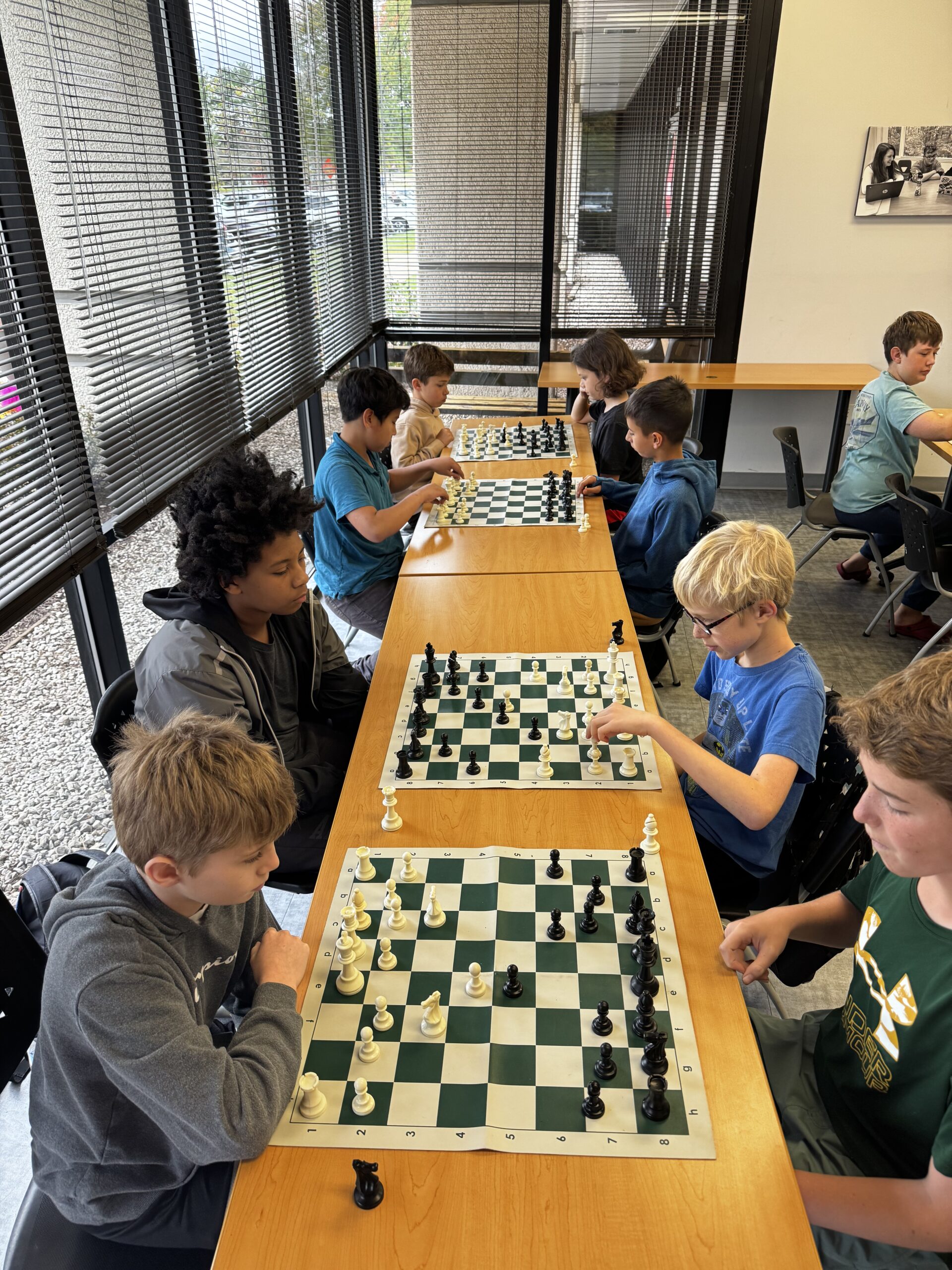
Thursday Online Group Classes – Summer 2026
Elite Academy – Advanced Competitive Group
Target Level: USCF 1650–2100 (Advanced / Elite)
- Dates: July 2 – September 3, 2026 (10 Classes)
- Schedule: Thursdays | 8:00 PM – 9:00 PM EST
- Format: Live Online Training
- Instructor: GMChessPrep Team, led by GM Rashad Babaev
- Tuition: $600 / Summer Session
- Trial Class: $40
- Early Registration Discount: 10% off until June 18
Course Overview
This advanced summer training program is designed for ambitious tournament players who want to compete at a higher level, deepen their strategic understanding, and sharpen practical decision-making against strong opposition.
The program focuses on high-level tournament preparation, advanced positional concepts, dynamic calculation, and practical competitive skills used by experienced players in serious tournament play.
Each session includes deep analysis, interactive discussion, practical exercises, and grandmaster-level training positions.
Summer 2026 Topics Include
Dynamic Positional Play
Advanced Calculation Discipline
Practical Imbalances in Chess
Advanced Piece Coordination
Strategic Pawn Breaks & Structures
Attacking Against Accurate Defense
Defensive Counterplay Techniques
Advanced Middlegame Planning
Opening Preparation for Tournament Play
Technical Endgame Training
Flexibility Plan
- All sessions are recorded
- Class materials and assignments will be available through our online platform anytime
Value Addition
Spotlight Game of the Week: One student’s game will be selected and analyzed each week during class
Loyalty & Referral Program
- $100 Referral Bonus: Invite a new student and receive $100 once their enrollment is completed
- 10% Loyalty Discount: For current students who register by June 18, 2026
- 20% New Student Offer: First-time students can request a special discount code via email by June 18, 2026
Special Features
- Full Course Materials Provided: Weekly resources + Completion Certificate
- Online Platform Access: Dedicated student portal for lessons, assignments, and interaction
Ready to Join?
Enrollment is limited to 8 students to ensure personalized attention and high-quality instruction.
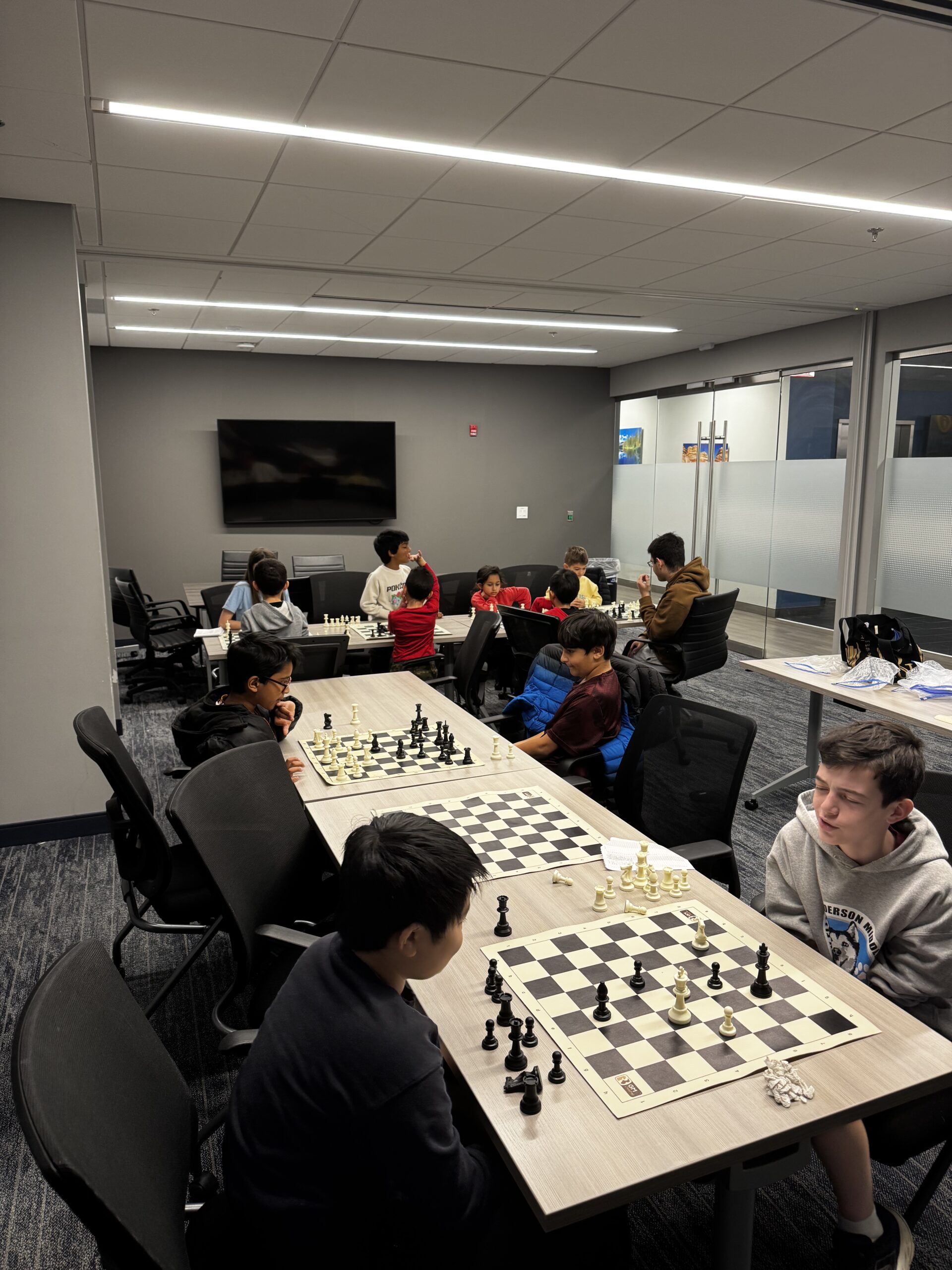
Wednesday Online Group Classes – Fall 2026
Intermediate Tournament Group
Target Level: U-1700 (Intermediate)
- Dates: September 16 – December 16, 2026 (13 Classes) No class November 25 Thanksgiving!
- Schedule: Wednesdays | 6:00 PM – 7:00 PM EST
- Format: Live Online Classes
- Instructor: GMChessPrep Team, led by GM Rashad Babaev
- Tuition: $741 / Summer Session
- Trial Class: $35
- Early Registration Discount: 10% off until September 5
- Location: Online (Zoom + GMChessPrep Platform)
Course Overview
This fall online program is designed for intermediate tournament players who want to continue improving their chess understanding, strengthen practical skills, and build greater confidence in competitive play.
Each class combines structured instruction, interactive analysis, guided exercises, and practical tournament examples to help students apply new concepts directly in real games.
Fall 2026 Topics Include
Advanced Tactical Patterns
Recognizing combinations, tactical motifs, and hidden opportunities faster.
Creating and Exploiting Weaknesses
Learning how to identify targets and gradually increase pressure.
Improving Your Worst Piece
Finding inactive pieces and bringing them into the game effectively.
Candidate Moves & Calculation
Building a disciplined method for selecting and calculating promising moves.
Pawn Breaks & Positional Changes
Understanding when pawn breaks can transform a position in your favor.
Initiative and Active Play
Learning how to maintain pressure and make opponents solve difficult problems.
Trading Pieces with Purpose
Understanding when exchanges improve your position and when to avoid them.
Attacking the Uncastled King
Recognizing opportunities to punish delayed development and unsafe kings.
Defending Under Pressure
Finding active defensive resources and creating counterplay in difficult positions.
From Middlegame to Endgame
Learning when transitioning into an endgame creates a practical advantage.
Practical Rook Endgames
Developing essential techniques for active rooks, passed pawns, and king activity.
Learning From Your Tournament Games
Finding recurring mistakes and turning them into specific areas for improvement.
Tournament Decision-Making Challenge
Applying calculation, strategy, tactics, and time management to realistic tournament positions.
Value Addition
Spotlight Game of the Week: One student’s game will be selected and analyzed each week during class
Loyalty & Referral Program
- $100 Referral Bonus: Refer to a new student who enrolls in this group, and you’ll receive a $100 reward after their payment is completed
Discount Offers
- 10% Off for current students who register by September 5
- 20% Off for new students (email us to receive your discount code) by September 5
Ready to Join?
Spots are limited — early registration is strongly recommended.
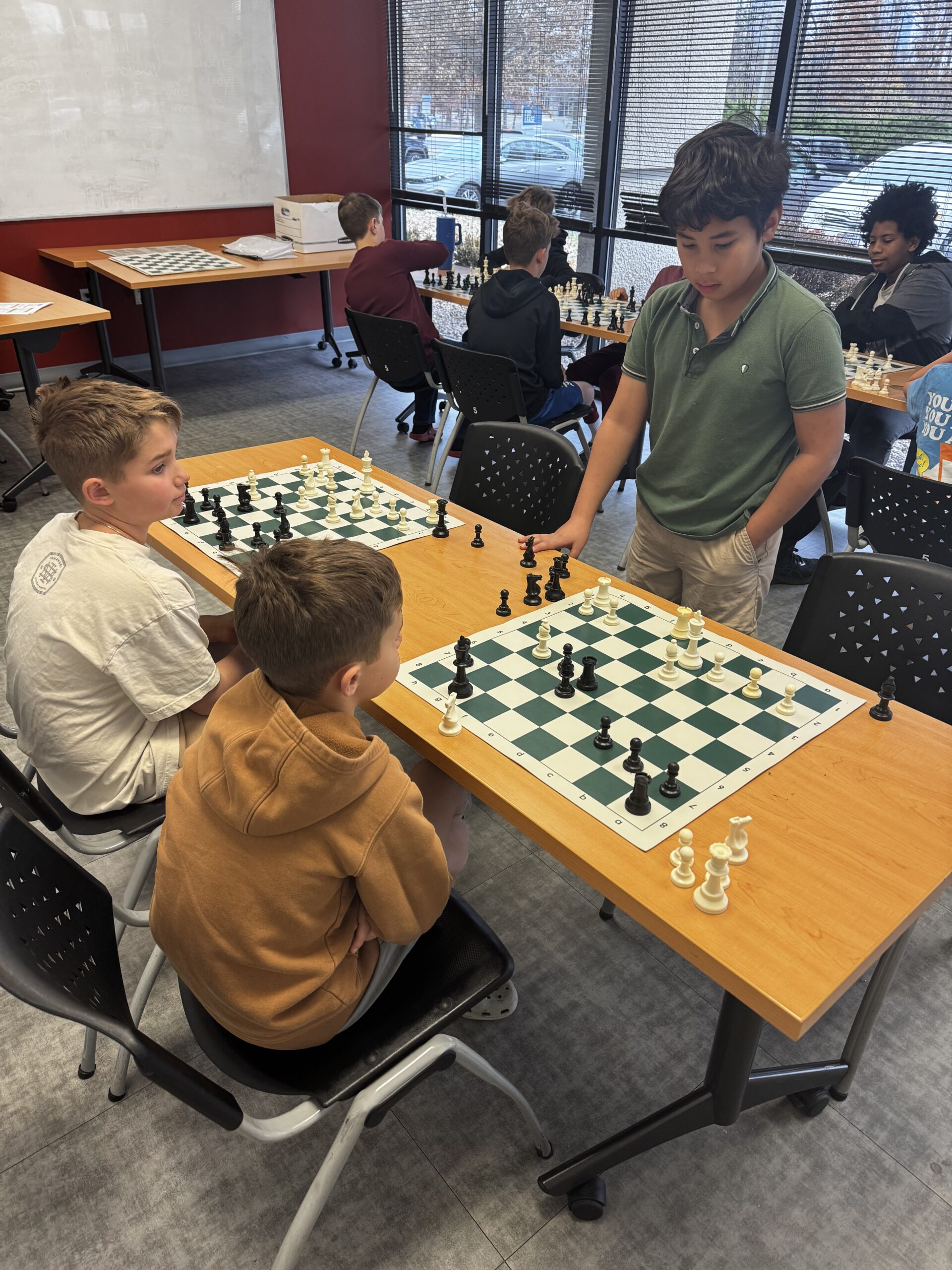
Wednesday Online Group Classes – Summer 2026
Intermediate Tournament Group
Target Level: U-1650 (Intermediate)
- Dates: July 1 – September 2, 2026 (10 Classes)
- Schedule: Wednesdays | 6:00 PM – 7:00 PM EST
- Format: Live Online Classes
- Instructor: GMChessPrep Team, led by GM Rashad Babaev
- Tuition: $570 / Summer Session
- Trial Class: $35
- Early Registration Discount: 10% off until June 17
- Location: Online (Zoom + GMChessPrep Platform)
Course Overview
This summer online program is designed for intermediate tournament players who want to continue improving their chess understanding, strengthen practical skills, and build greater confidence in competitive play.
Each class combines structured instruction, interactive analysis, guided exercises, and practical tournament examples to help students apply new concepts directly in real games.
The summer curriculum continues building on previous sessions while introducing fresh material and deeper strategic ideas appropriate for developing tournament players.
Summer 2026 Topics Include
Intermediate Tactical Training:
Improving tactical vision through practical combinations and calculation exercises
Piece Activity & Coordination:
Learning how active pieces create stronger attacking and defensive opportunities
Planning in the Middlegame:
Understanding how to build plans based on position, pawn structure, and king safety
Strategic Pawn Play:
Learning how pawn weaknesses, passed pawns, and pawn breaks influence the game
Tournament Calculation Habits:
Developing organized thinking process and accurate candidate move selection
Positional Decision-Making:
Learning when to attack, simplify, defend, or improve the position patiently
Practical Opening Understanding:
Improving opening play through understanding common ideas and structures
Attacking Fundamentals:
Recognizing attacking opportunities and coordinating pieces toward the enemy king
Defensive Improvement:
Finding resources in difficult positions and avoiding common practical mistakes
Essential Tournament Endgames:
Important king and pawn endings, rook activity, and converting advantages
Time Management & Competitive Focus:
Improving practical tournament discipline and confidence under pressure
Master Game Analysis:
Studying instructive games from strong players to improve positional understanding
Interactive Position Training:
Solving practical tournament positions together during live class sessions
Final Training Challenge:
Applying tactical, positional, and practical skills in competitive exercises
Value Addition
Spotlight Game of the Week: One student’s game will be selected and analyzed each week during class
Loyalty & Referral Program
- $100 Referral Bonus: Refer a new student who enrolls in this group, and you’ll receive a $100 reward after their payment is completed
Discount Offers
- 10% Off for current students who register by June 17 2026
- 20% Off for new students (email us to receive your discount code) by December 31
Ready to Join?
Spots are limited — early registration is strongly recommended.
