
Quick Answer: Beginners learn chess online the right way by mastering the rules first, practicing tactics daily, joining a structured online chess class with a real coach, and playing full games consistently. Random puzzle-solving without guidance is the biggest reason beginners stall in their progress.
Learning chess online sounds simple until you actually try it. You open an app, play a few games, lose most of them, and have no idea what went wrong. This happens to almost every beginner, and it is usually not a talent problem. It is a method problem.
The truth is that beginners can learn chess online quickly and correctly, but only when they follow a clear path instead of jumping between random videos and casual games. This guide breaks down exactly how to learn chess online the right way, based on the same structure Grandmaster Rashad Babaev uses to train his students at GMChessPrep Academy.
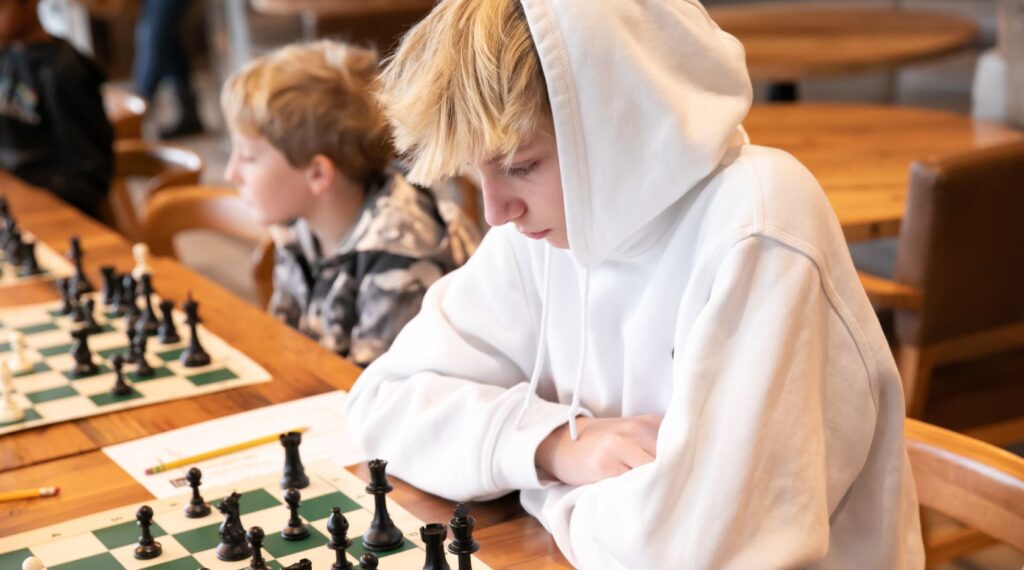
The 5-Step Path to Learning Chess Online
Learning chess online does not just mean downloading an app and playing a few games every night. It means following a structured sequence: rules, tactics, guided instruction, and real practice, all in the correct order.
Most beginners skip straight to playing full games. As a result, they repeat the same mistakes for months because nobody points them out. A proper online learning path fixes this by adding feedback at every stage, which is exactly what a good online chess class provides.
Step 1: Learn the Rules and Piece Movements First
Before anything else, a beginner needs to fully understand how each piece moves, what check and checkmate mean, and basic rules like castling and en passant. Skipping this step causes confusion later, even in tactics training.
Free platforms like Chess.com and Lichess offer beginner tutorials that cover these basics clearly. Spend a few days here before moving forward. This stage should feel easy. If it does not, slow down instead of rushing to the next step.
Step 2: Practice Tactics Daily, Not Occasionally
Once the rules are clear, tactics training becomes the fastest way to improve. Tactics puzzles teach pattern recognition, which is the real skill behind strong chess play. Beginners who solve 10 to 15 puzzles daily improve far faster than those who play games without any tactical training.
However, tactics alone will not fix strategic weaknesses. This is where many self-taught players get stuck. They become good at short puzzles but still lose full games because they cannot plan ahead or handle unfamiliar positions.
Step 3: Join Structured Online Chess Classes for Beginners
This is the step most self-taught beginners miss, and it is usually the difference between slow progress and fast progress. A structured class adds three things that solo learning cannot offer: a syllabus, live feedback, and accountability.
GMChessPrep’s Online Group Lessons are built specifically around this idea. Beginners start in the Foundations group, where a coach walks through piece movements, basic rules, and simple checkmate patterns in a live weekly class. As students grow, they move through Explorers, Challengers, and Strategists, with each level adding tactics, openings, and tournament preparation. This structured path removes the guesswork that usually slows beginners down.
Group classes also add a practical benefit that solo apps cannot replicate: students see how other beginners think, which speeds up pattern recognition even further.
Step 4: Play Real Games, Not Just Puzzles
Puzzles teach isolated skills, but full games teach decision-making under pressure. Beginners should play at least a few complete games each week, ideally at a slower time control so they have time to think through each move.
After every game, a quick review matters more than the result. Looking at two or three key moments where the game changed teaches more than ten quick games played without any review at all.
Step 5: Get Feedback From a Real Coach
Self-study can only go so far. A coach spots mistakes a beginner cannot see on their own, such as weak pawn structures, missed tactics, or poor piece coordination. This is the single biggest factor separating fast improvers from beginners who plateau after a few months.
| Learning Method | Structure | Feedback | Best For |
|---|---|---|---|
| Self-Study (Apps Only) | Low | None | Casual learners with no time pressure |
| Online Group Lessons | High | Weekly, from a coach | Beginners who want steady, guided progress |
| Online Private Lessons | Very High | One-on-one, personalized | Students who want faster, individual attention |
For most beginners, Online Group Lessons offer the right balance of structure, coaching, and affordability. Students who want even faster progress can later add Online Private Lessons alongside their group class.
Common Mistakes Beginners Make When Learning Chess Online
Many beginners repeat the same avoidable errors:
- Jumping into full games before learning basic rules properly
- Solving puzzles without ever playing complete games
- Watching hours of videos without practicing what was taught
- Playing only fast time controls, which leaves no room to think
- Skipping structured classes and trying to learn everything alone
Avoiding these mistakes alone puts a beginner ahead of most self-taught players within a few weeks.
How GMChessPrep’s Online Group Lessons Help Beginners Learn the Right Way
GMChessPrep Academy is led by Grandmaster Rashad Babaev, who has trained over 11,000 students through structured online and in-person programs. The academy’s Online Group Lessons are designed around the exact sequence covered in this guide.
Beginners start in the Foundations group with a 55-minute weekly class covering piece movements, check, checkmate, and fundamental rules. As skills grow, students move into Explorers for early strategy, Challengers for tactics and openings, and Strategists for tournament-level preparation. Every group includes weekly quizzes and full access to the GMChessPrep library, so students get structured teaching and real practice in the same program.
For beginners who also want a taste of scholastic play, GMChessPrep’s After School Lessons and Summer Online Camp offer additional structured practice outside the regular class schedule.
Key Takeaways
- Learn the rules and piece movements fully before playing full games
- Practice tactics daily to build pattern recognition
- Join structured online chess classes for consistent feedback and accountability
- Play complete games weekly and review key moments afterward
- A real coach catches mistakes that self-study alone cannot fix
FAQs
Can a complete beginner really learn chess online?
Yes. Beginners can learn chess online effectively as long as they follow a structured path: rules first, then tactics, then guided classes, then full games with review. Random practice without structure is what slows most beginners down.
How long does it take to learn chess online as a beginner?
Most beginners understand the basic rules within a week and start playing confidently within one to two months of consistent practice. Progress speeds up significantly with a structured class and weekly coach feedback.
Is it better to learn chess online through an app or a live class?
Apps are useful for daily tactics practice, but live classes add feedback, structure, and accountability that apps cannot provide. A combination of both works best for most beginners.
What is the best age to start online chess lessons?
Students can start as young as age 4. GMChessPrep’s beginner groups typically include students between ages 4 and 18, though motivated learners of any age can benefit from the same structured approach.
Do beginners need private lessons, or are group classes enough?
Group classes work well for most beginners because they provide structure, coaching, and a comfortable pace. Students who want faster, individualized progress can add private lessons alongside their group class.
How many hours a week should a beginner spend learning chess online?
One to two hours a week, split between tactics practice, a structured class, and full games with review, is a realistic and effective starting point for most beginners.
Ready to Start Learning Chess the Right Way?
Skip the trial and error. Join GMChessPrep’s Online Group Lessons and learn chess online with Grandmaster Rashad Babaev’s structured, step-by-step training path. Claim your free trial class today.
