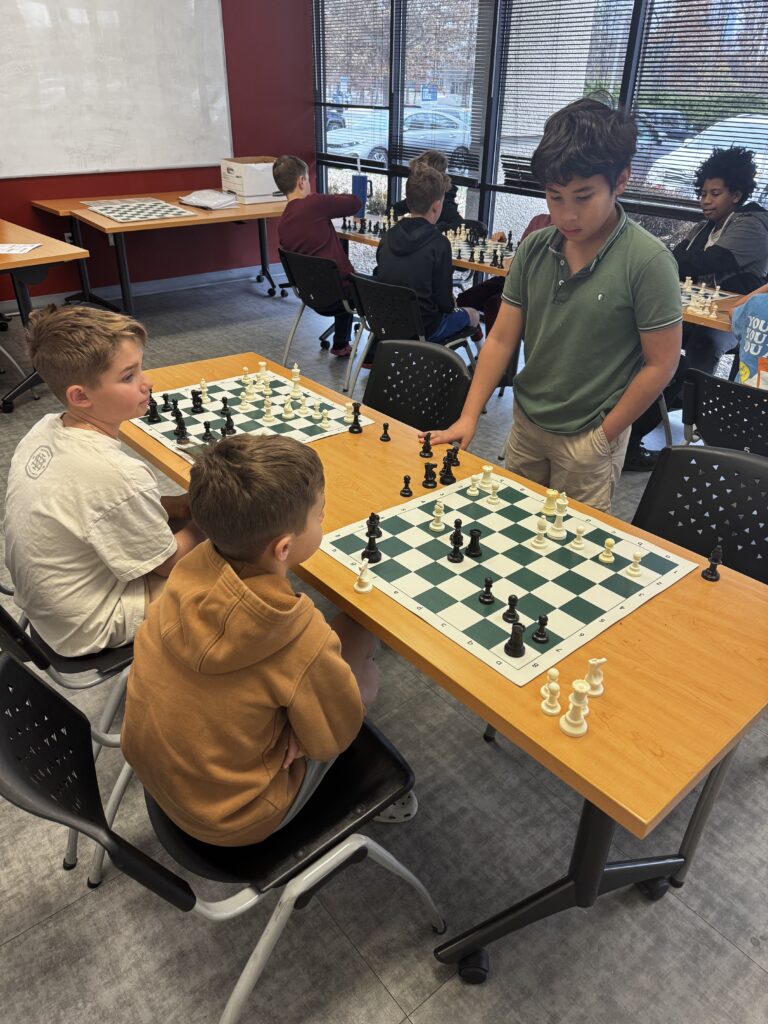
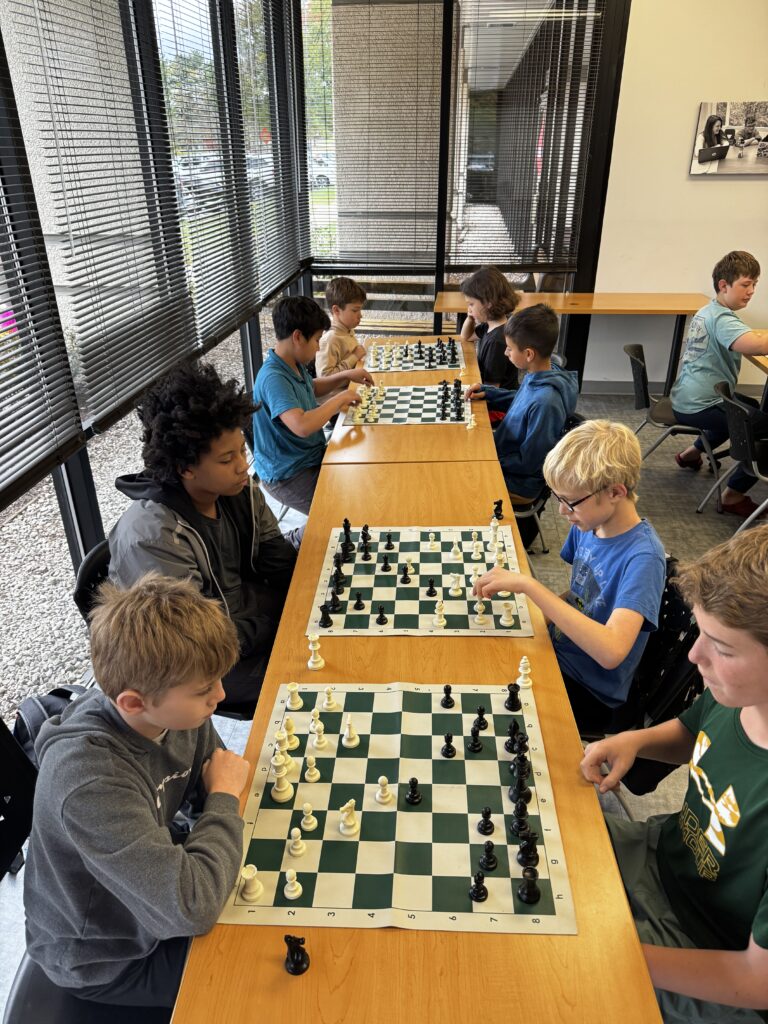
Focus, Confidence, and Long-Term Success
In today’s fast-paced world, parents are constantly searching for high-quality activities that help their children grow mentally, emotionally, and socially. Among all after-school enrichment options, chess stands out as one of the most powerful developmental tools available to children of all ages.
At GMChessPrep, led by Grandmaster Rashad Babaev, we see every day how chess transforms young minds—boosting confidence, improving focus, and helping students achieve stronger academic performance.
1. Chess Builds Critical Thinking and Problem-Solving Skills
Chess improves a child’s ability to plan, evaluate options, predict consequences, and learn from mistakes. These skills support stronger academic performance in math, reading comprehension, and writing.
2. Chess Helps Children Stay Focused in a Distracted World
Chess trains patience, concentration, long-term thinking, and mental discipline. Parents frequently report that their children become more focused in school after starting chess training.
3. Chess Teaches Confidence and Emotional Control
Chess helps children stay calm, manage emotions, make decisions under stress, and accept responsibility for their choices. This builds resilience and emotional maturity.
4. Chess Encourages Healthy Competition
Chess provides an equal playing field for all children, regardless of physical size or athletic ability. Success comes from skill, strategy, practice, and effort.
5. GMChessPrep: A Trusted Chess Academy in the DMV
GMChessPrep offers in-person group classes, online lessons, private coaching, seasonal camps, and tournament preparation with a real Grandmaster. Our structured method supports students at every level, from beginner to advanced.
6. Why Parents Choose GMChessPrep
Parents value:
– Professional training led by an International Grandmaster
– Structured curriculum and measurable progress
– Supportive, growth-oriented environment
– Friendships and community
– Development of both chess skill and life skills This blog is designed to help parents understand the long-term benefits of chess education and why it remains one of the most impactful after-school activities for children today.